
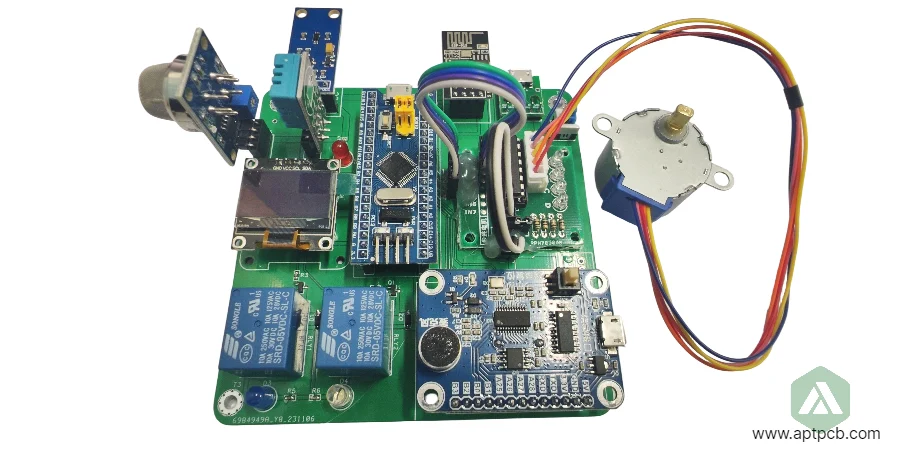
Smart home device PCB assemblies integrate WiFi/Zigbee/Thread wireless modules, microcontrollers, sensors, and voice processing supporting connected thermostats, smart speakers, security cameras, door locks, and appliances requiring reliable wireless connectivity, cloud service integration, and power management delivering 1-5 year battery life (battery devices) or <2W idle power (mains powered) across consumer IoT products demanding easy setup, voice control compatibility, and Matter protocol support enabling interoperability across ecosystems through 5-10 year operational lifecycles.
At APTPCB, we deliver specialized smart home assembly services implementing wireless integration, audio processing, and validated security features with box build assembly capabilities supporting Alexa, Google Home, and Matter-enabled devices.
Implementing Reliable Wireless Connectivity
Smart home devices depend on robust WiFi, Zigbee, or Thread connectivity maintaining connection despite RF interference, distance from access points, and network congestion. Connectivity challenges include achieving adequate range (30-50m indoor), preventing dropouts during network congestion, and minimizing setup complexity for non-technical users. Inadequate wireless implementation causes frequent disconnections frustrating users, poor voice command response degrading experience, or difficult setup preventing adoption — significantly impacting customer satisfaction, product reviews, and market success especially for security and automation applications where reliability is critical.
At APTPCB, our assembly implements validated wireless integration achieving reliable connectivity across home environments.
Wireless Integration Implementation
- Certified Wireless Modules: Pre-certified WiFi 6, Zigbee 3.0, or Thread modules with regulatory approvals reducing development time with ICT test validation.
- Antenna Optimization: PCB or external antennas with proper matching and placement achieving -3dBi to +2dBi gain supporting adequate range.
- Coexistence Management: Frequency planning and LNA filtering preventing interference between WiFi, Bluetooth, and Zigbee radios in multi-radio devices.
- Link Budget Analysis: Path loss calculations and receiver sensitivity validation ensuring reliable connectivity across typical home layouts.
- Connection Recovery: Automatic reconnection logic and retry algorithms maintaining connectivity despite temporary network issues.
Integrating Voice Control and Audio Processing
Smart speakers and displays integrate far-field microphone arrays, voice wake word detection, and high-quality audio playback requiring sophisticated audio front-end processing, echo cancellation, and digital signal processing. Audio challenges include detecting wake words despite background noise, canceling speaker echo during playback, and delivering clear voice recognition to cloud services. Inadequate audio implementation causes missed wake words frustrating users, poor recognition accuracy reducing usability, or echo-plagued conversations degrading experience — significantly impacting core functionality, competitive positioning, and customer satisfaction especially for voice-first devices where audio is primary interface.
At APTPCB, our assembly supports advanced audio integration achieving premium voice recognition performance.
Audio Processing Implementation
- Microphone Array Design: 2-8 MEMS microphones with precise placement enabling beamforming and noise cancellation with flying probe testing validation.
- Acoustic Echo Cancellation: DSP algorithms removing speaker output from microphone signals enabling clear voice capture during playback.
- Voice Wake Word Detection: On-device neural network processing detecting wake phrases with low false positive/negative rates.
- Audio Codec Integration: High-quality DACs and amplifiers delivering clear voice responses and music playback.
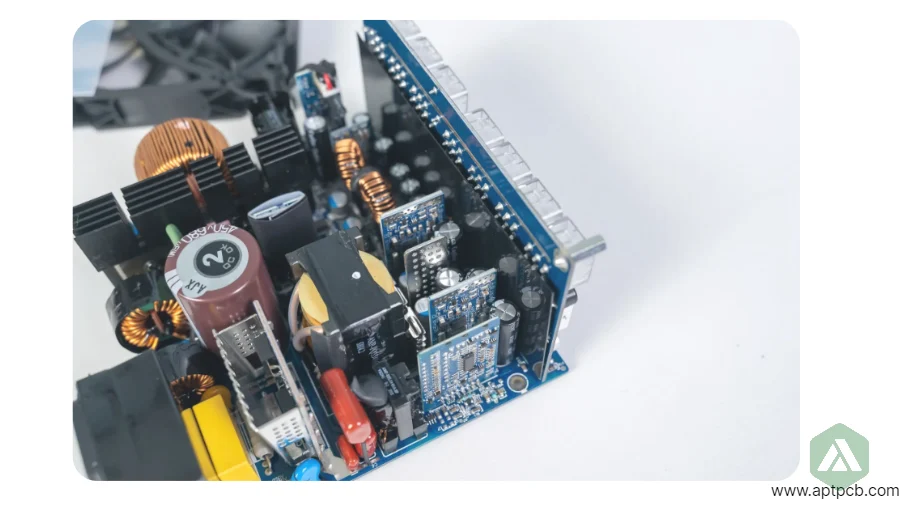
Managing Power in Battery and Mains-Powered Devices
Battery-powered smart home devices (sensors, locks, cameras) require ultra-low-power operation achieving 1-5 year battery life from standard cells while mains-powered devices demand <2W idle consumption meeting energy efficiency regulations. Power challenges include maintaining wireless connectivity during deep sleep, balancing sensor sampling rates against power consumption, and implementing efficient switch-mode power supplies. Inadequate power management causes frequent battery replacements frustrating users, excessive idle power increasing operating costs, or unreliable connectivity from aggressive sleep modes — significantly impacting user experience, operational costs, and environmental impact especially for widely distributed sensor networks.
At APTPCB, our manufacturing supports power-optimized designs achieving extended battery life and low standby power.
Power Management Implementation
- Ultra-Low-Power MCU Selection: ARM Cortex-M0+ or RISC-V processors consuming <10μA in deep sleep while maintaining RTC and wake-on-wireless.
- Duty-Cycled Operation: Periodic sensor sampling and wireless check-ins minimizing active time while maintaining responsiveness.
- Efficient Power Supplies: Buck converters with >85% efficiency or low-quiescent-current LDOs minimizing losses in always-on circuits.
- Battery Monitoring: Voltage measurement and state-of-charge estimation providing low-battery warnings and predictable replacement scheduling.
- Energy Harvesting: Optional solar or kinetic energy harvesting extending battery life or enabling battery-free operation in suitable applications.
Ensuring Security and Privacy Protection
Smart home devices collect sensitive data (voice, video, occupancy patterns) requiring robust security preventing unauthorized access, eavesdropping, or remote control by attackers. Security challenges include securing cloud communication, implementing firmware updates, and protecting user data. Inadequate security implementation causes privacy breaches exposing user data, enables unauthorized device access creating safety risks, or allows botnet recruitment using compromised devices — significantly impacting user trust, brand reputation, and regulatory compliance especially following high-profile IoT security incidents.
At APTPCB, our assembly supports secure implementations protecting user privacy and device integrity.
Security Implementation
- Secure Boot and Firmware: Cryptographic boot verification and encrypted firmware updates preventing unauthorized code execution with SPI inspection quality control.
- TLS/HTTPS Communication: Encrypted cloud communication protecting data in transit from eavesdropping or manipulation.
- Secure Credential Storage: Hardware security elements or encrypted flash protecting WiFi passwords and API keys.
- Privacy Controls: Hardware mute buttons, LED indicators, and local processing options addressing user privacy concerns.
Supporting Matter Protocol and Ecosystem Interoperability
Matter protocol enables interoperability between Alexa, Google Home, Apple Home requiring Thread or WiFi connectivity, standardized device types, and certified implementations. Matter adoption benefits include simplified setup, multi-ecosystem support, and local control reducing cloud dependencies. Inadequate Matter implementation prevents certification limiting market access, causes interoperability issues between ecosystems, or reduces appeal to users seeking unified control — significantly impacting market differentiation, customer choice, and future-proofing as Matter adoption accelerates across smart home markets.
At APTPCB, we support Matter-enabled device development with comprehensive design and manufacturing capabilities.
Matter Protocol Support
- Matter-Certified Software Stacks: Validated implementations from silicon vendors or Matter SDK ensuring protocol compliance and interoperability.
- Thread Border Router Integration: Supporting Thread networking enabling low-power mesh networks complementing WiFi devices.
- Device Commissioning Support: QR code and setup interfaces enabling simple Matter device onboarding across ecosystems.
- Certification Testing: Matter certification testing validating compliance with specifications and interoperability with major ecosystems.
Through Matter protocol support, ecosystem integration, and validated implementations coordinated with communication equipment expertise, APTPCB enables smart home manufacturers deploying interoperable devices supporting multi-ecosystem compatibility and future market requirements.