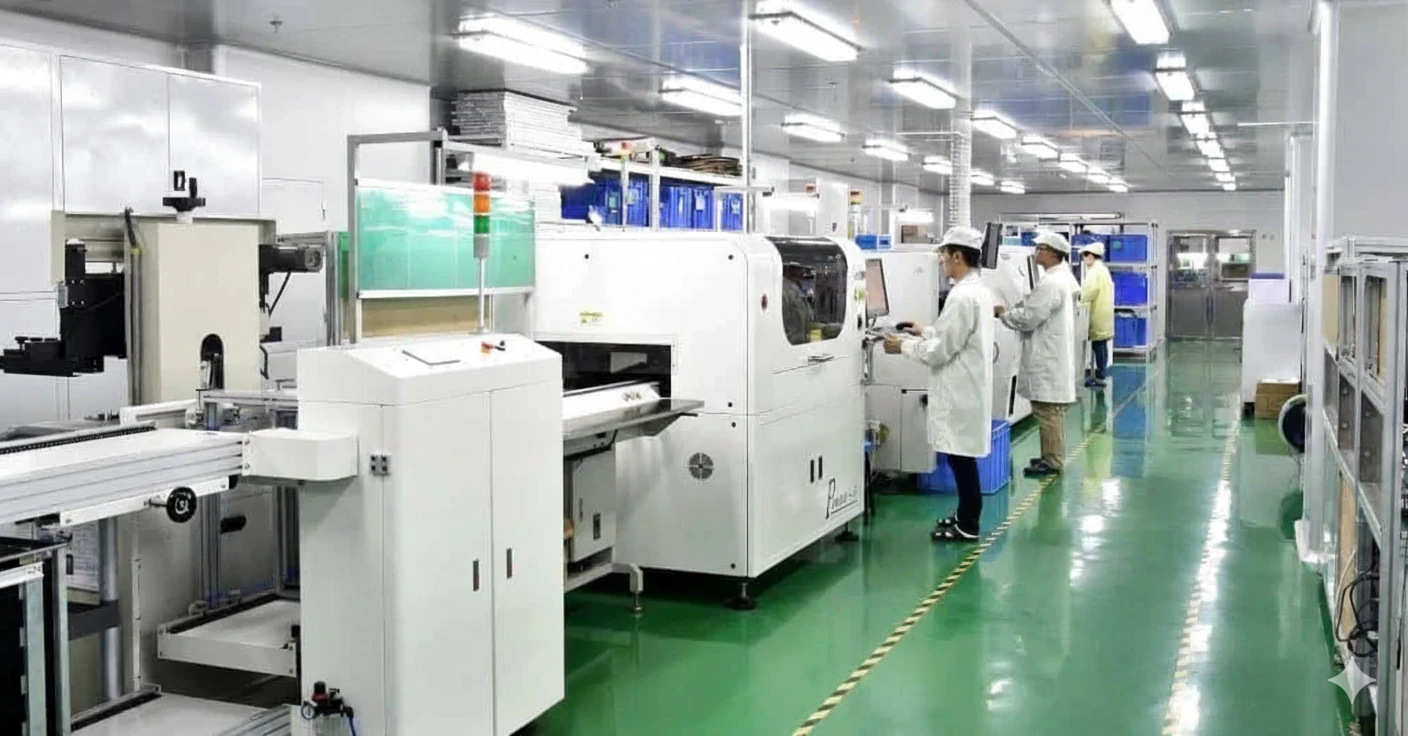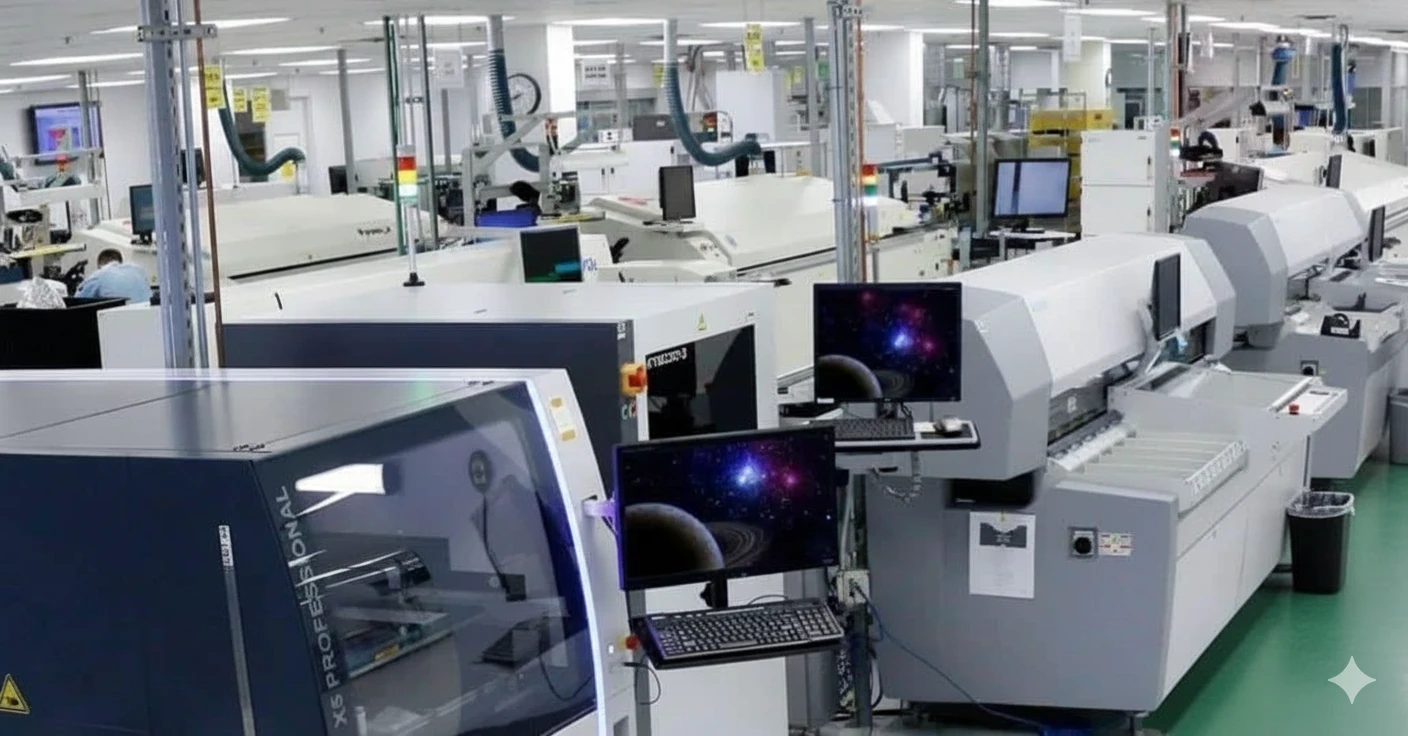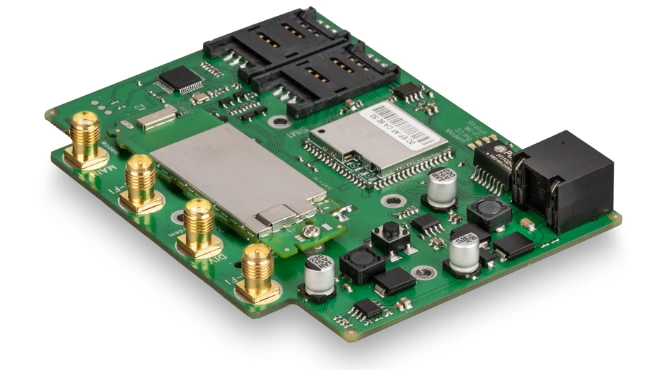
PCBA testing and inspection equipment

ICT • FCT • FLYING PROBE • AOI • X-RAY

PCBA Testing Services: Choosing ICT, FCT, Flying Probe, AOI and X-Ray

No single test catches every assembly defect. AOI and X-ray look at the joints, flying probe and ICT check the circuit electrically, and FCT proves the powered board works. This page helps you choose which PCBA testing services to run, based on volume, test-point access, fixture budget and the evidence your release needs.

  • Inspection: SPI, AOI, X-ray
  • Electrical: flying probe, ICT, boundary-scan
  • Functional: FCT with firmware and loads
  • Reports agreed before the first lot

Get an Instant Quote

Full Quote →

BY BUILD STAGE

Recommended PCBA test mix for prototype, NPI and production

The right mix changes as volume grows and the design stops changing.

1

Prototype

AOI, X-ray on BGA/QFN, flying probe; bench or simple FCT.

2

NPI / pilot

Add SPI data review, flying probe, and a first FCT fixture with limits.

3

Ramp

Release the ICT fixture once the design is frozen; keep FCT.

4

Volume production

SPI + AOI, X-ray by risk, ICT, FCT and final inspection.

5

Changes and failures

Failure data feeds back to test limits and coverage.

TEST METHODS

PCBA test methods and when each one pays off

Short guidance for each method, with a link to the detailed service page.

Most programs combine an inspection layer, an electrical layer and FCT.

ELECTRICAL SCREENING

ICT In-Circuit Testing

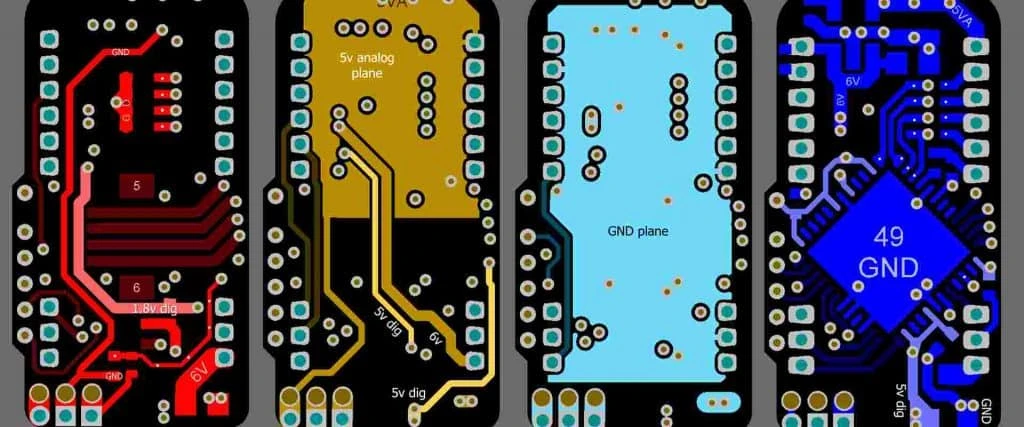
A bed-of-nails fixture contacts test points and checks components, opens and shorts in seconds per board. The fixture is a one-time cost per design, so ICT pays off in repeat production.

  • Best fit for repeat production volume
  • Requires accessible nodes and fixture review
  • Reports coverage limits and failed test steps
ICT fixtureTest pointsRepair and retest
ICT in-circuit testing services

PRODUCT BEHAVIOR

FCT Functional Testing

The board is powered and exercised through its interfaces with firmware and loads. FCT catches faults that structural tests pass, such as wrong firmware or an out-of-limit output.

  • Validates powered board behavior
  • Uses fixtures, loads, firmware, and test programs
  • Records pass/fail and failure details
FCT fixtureFirmwareInterfaces and loads
FCT functional testing services

PROTOTYPE AND LOW VOLUME

Flying Probe Testing

Moving probes reach nets without a fixture. Slower per board than ICT, but no tooling cost, so it fits prototypes, NPI and designs that still change.

  • Lower fixture commitment for changing designs
  • Useful for prototypes and NPI builds
  • Coverage follows probe access and test data
PrototypeNPIElectrical test
Flying probe testing for PCBA

INSPECTION

AOI, X-Ray and SPI Inspection

SPI checks paste before placement, AOI checks visible joints and parts after reflow, and X-ray checks hidden BGA and QFN joints. None of them need a fixture.

  • SPI stops print defects before parts are placed
  • AOI covers visible joints and polarity
  • X-ray covers BGA, QFN and voids
SPIAOIX-ray
AOI optical inspection

RELEASE

Final PCBA Quality Inspection

Workmanship, identification and the agreed test records are checked before shipment.

  • Checks against the approved criteria
  • Lot and board identification
  • Packages the required records
Final inspectionRecords
Final quality inspection

TEST METHOD MATRIX

Which PCBA test method should you use? ICT vs FCT vs flying probe vs AOI vs X-ray

Each method answers a different question. Compare them on what they find, when they pay off and what they cost to set up.

Inspection (optical and X-ray)

SPIPaste volume and position before placement
AOIVisible joints, polarity, missing or shifted parts
X-rayHidden joints: BGA, QFN, voids
Setup costProgram only; no fixture

Electrical (structural)

Flying probeOpens, shorts, values; no fixture, slower per board
ICTSame faults, fast; needs a bed-of-nails fixture
Boundary-scanNets on BGA and JTAG devices without probe access
Best volumeFlying probe: prototype/NPI; ICT: repeat production

Functional

FCTPowered behavior, firmware, interfaces, loads
FindsFaults that pass structural tests
Setup costFixture, program and limits per product
Best useEvery product that ships powered

Coverage depends on the design

ICT and flying probe coverage follows test-point access and the netlist; AOI coverage follows line of sight. Final coverage is stated after the design files are reviewed, not promised in advance.

Inspection lab

INSPECTION

SPI, AOI and X-ray find assembly defects without power.

ICT lab

ELECTRICAL

Flying probe and ICT check the circuit structurally.

Reliability lab

FUNCTIONAL

FCT confirms the powered board does its job.

REPORTS

What PCBA test reports can you request?

Report fields are agreed before the first lot so every shipment carries the same evidence.

Inspection records

SPI and AOI results, X-ray images for hidden joints where specified.

Electrical and functional results

Flying probe or ICT pass/fail with coverage notes; FCT results against limits.

Lot records

Serial or lot traceability, failure and retest records, and the certificate of conformity.

Who needs a defined PCBA test plan

Automotive electronics

ECU and power boards where ICT and FCT records are part of release.

Medical devices

Traceable test and inspection records for medical device builds.

Industrial & energy

Controllers where functional and safety tests run before shipment.

Compute & RF

Boundary-scan and FCT for dense BGA boards with limited probe access.

PCBA testing services FAQ

Choosing and combining test methods.

Plan the right PCBA testing for your build

Upload BOM, XY, netlist and test requirements. You get a recommended test mix, coverage notes and fixture scope with the quote.

  • Test mix by build stage
  • Coverage review from design data
  • ICT/FCT fixture scope and reports
Full Quote →