NPI PCB assembly line

ENGINEERING RELEASE TO PILOT

NPI PCB Assembly — Controlled First Builds to Pilot

NPI PCB assembly is the controlled transition from released design data to repeatable first builds and pilot production, with DFX, first-article evidence, test disposition, and revision control at each gate.

  • Released-data DFX review
  • BOM/AVL risk disposition
  • First-article evidence pack
  • Golden-unit pilot handoff

Get an Instant Quote

Full Quote →

NPI release readiness

Each first build is tied to an approved revision, documented inspection evidence, and an explicit release decision.

48–72 h
Assembly window

Assembly-only scheduling for released, build-ready packages.

<24 h
DFX response

Gerber/ODB++, BOM/AVL, assembly, and test-access risks returned for disposition.

100%
Revision traceability

Traveler, FAI photos, inspection logs, test status, and ECO baseline packaged per lot.

NPI PROGRAM

How an NPI build moves from data release to pilot

The program advances only when data, material risk, first-article evidence, test results, and revision status have a named disposition.

Engineering release

Gerber/ODB++, BOM, centroid, drawings, and test intent are checked against one revision before the work order is released.

First-article build and disposition

Seven SMT lines support NPI scheduling, with SPI/AOI, risk-based X-ray, FAI review, and controlled rework before lot release.

Pilot transfer package

Golden-unit status, approved ECOs, recipes, travelers, inspection evidence, and test disposition establish the repeatable baseline.

NPI PCB assembly inspection and release workflow

FIRST-BUILD CONTROL

NPI scheduling, revision-controlled travelers, and inline inspection connect the physical build to the approved release package.

Revision controlFAIPilot handoff

PLAYBOOK

NPI launch workflow

Six release gates keep every revision aligned with the evidence the pilot-production team needs later.

1

Release build data

Gerber/ODB++, BOM/AVL, centroid, drawings, test intent, target quantity, and revision identifier.

2

Disposition DFX and supply risk

Resolve stack-up, stencil, polarity, access, AVL, lifecycle, and substitution questions before purchase and setup.

3

Build and release the first article

NPI-scheduled SMT runs SPI/AOI, risk-based X-ray, FAI review, and documented nonconformance disposition.

4

Disposition test results

Record firmware, access maps, flying-probe or ICT/FCT results, failed-unit analysis, and retest status.

5

Control ECO and pilot handoff

Lock the golden unit, approved ECO baseline, recipes, travelers, FAI record, and pilot transfer package.

NPI CONTROL POINTS

Three records that make a first build transferable

Speed matters, but NPI becomes repeatable only when engineering decisions, first-article evidence, and the approved baseline travel together.

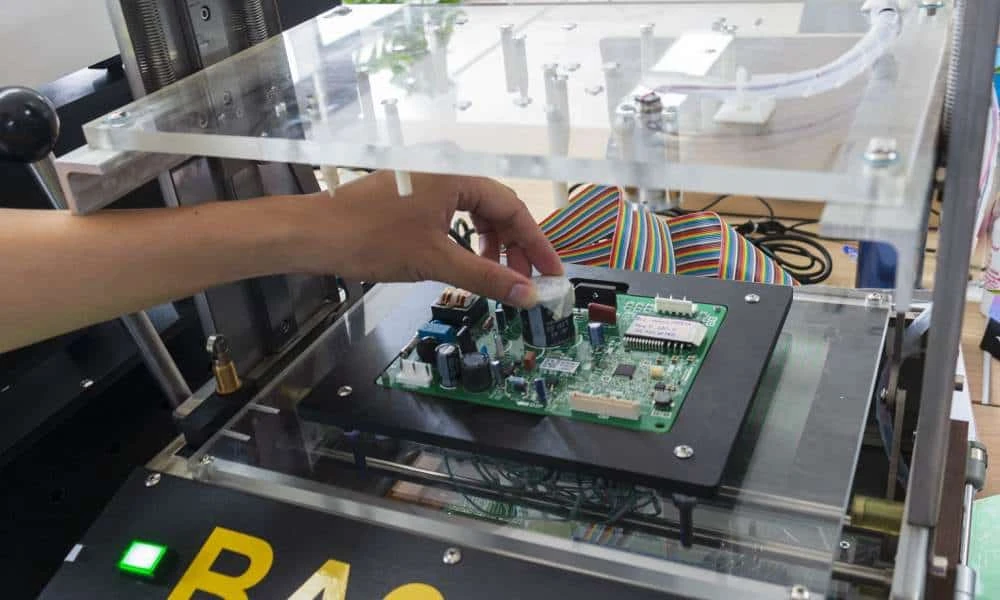
NPI PCB assembly data and material release review

Released build package

DFX findings, BOM/AVL risks, substitutions, assembly notes, and test intent are dispositioned against one revision before release.

DFXBOM/AVL
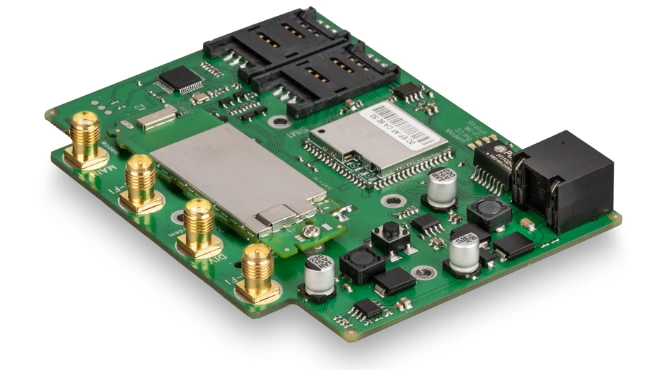
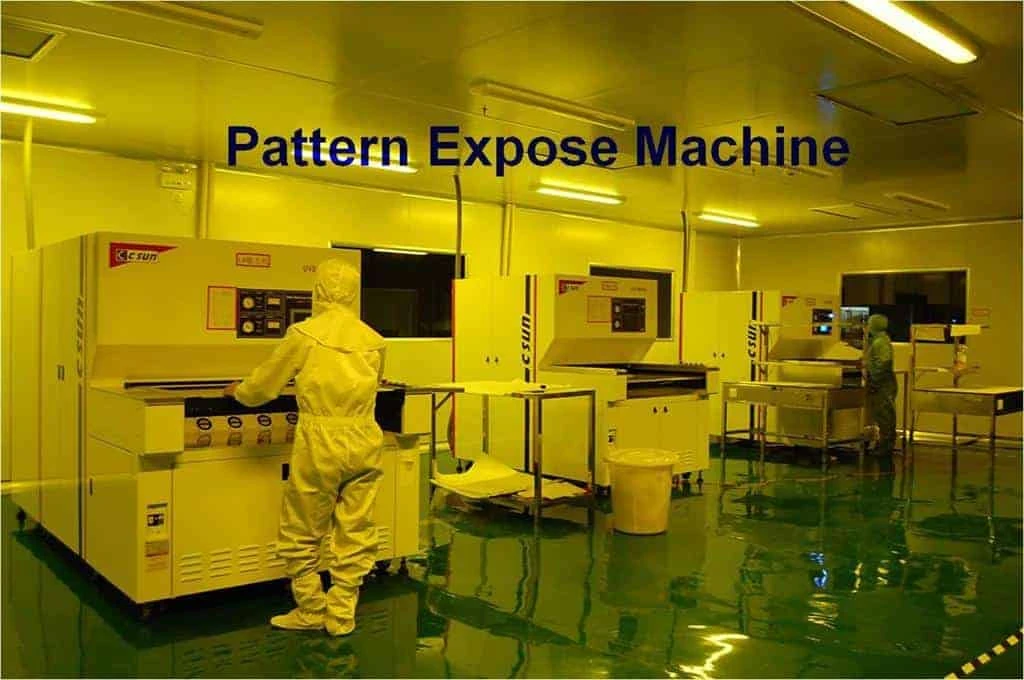
First-article inspection for NPI PCB assembly

First-article evidence

NPI-scheduled SMT, SPI/AOI, risk-based X-ray, FAI photos, and nonconformance disposition show whether the released package built as intended.

FAIInspection
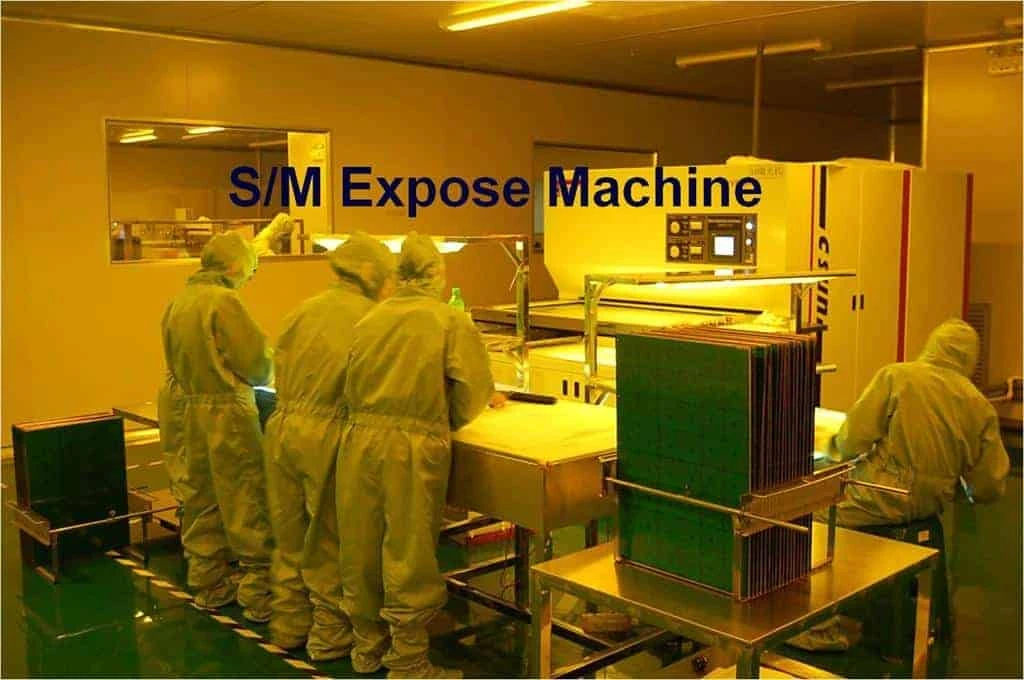
Golden-unit and pilot transfer records

Controlled pilot baseline

Golden-unit approval, ECO status, programs, recipes, travelers, test disposition, and open actions define what transfers to pilot.

Golden unitECO control

CAPABILITIES

NPI capability stack for controlled engineering release

Assembly, inspection, test, and documentation are tied to the same revision so first-build findings can become a stable pilot baseline.

SMT

Lines7 SMT lines with NPI scheduling
Component window01005–100 mm, 0.4 mm BGA
Changeover<30 min SMED
ReflowNitrogen, multi-profile

THT / Mechanics

Selective solder3 cells
Hand insertIPC-A-610 Class 3
ReworkBGA/QFN reball + micro-mod
Enclosure prepPilot box-build ready

Test & Data

InspectionSPI • 2D/3D AOI • X-Ray
TestFlying probe, ICT/FCT, boundary-scan
DocumentationFAI packs, Pareto, FPY
TraceabilityLot + serialized test

Revision-controlled engineering environment

MSD controls, offline kitting, work-order revision checks, and ECO disposition keep each first build tied to its approved baseline.
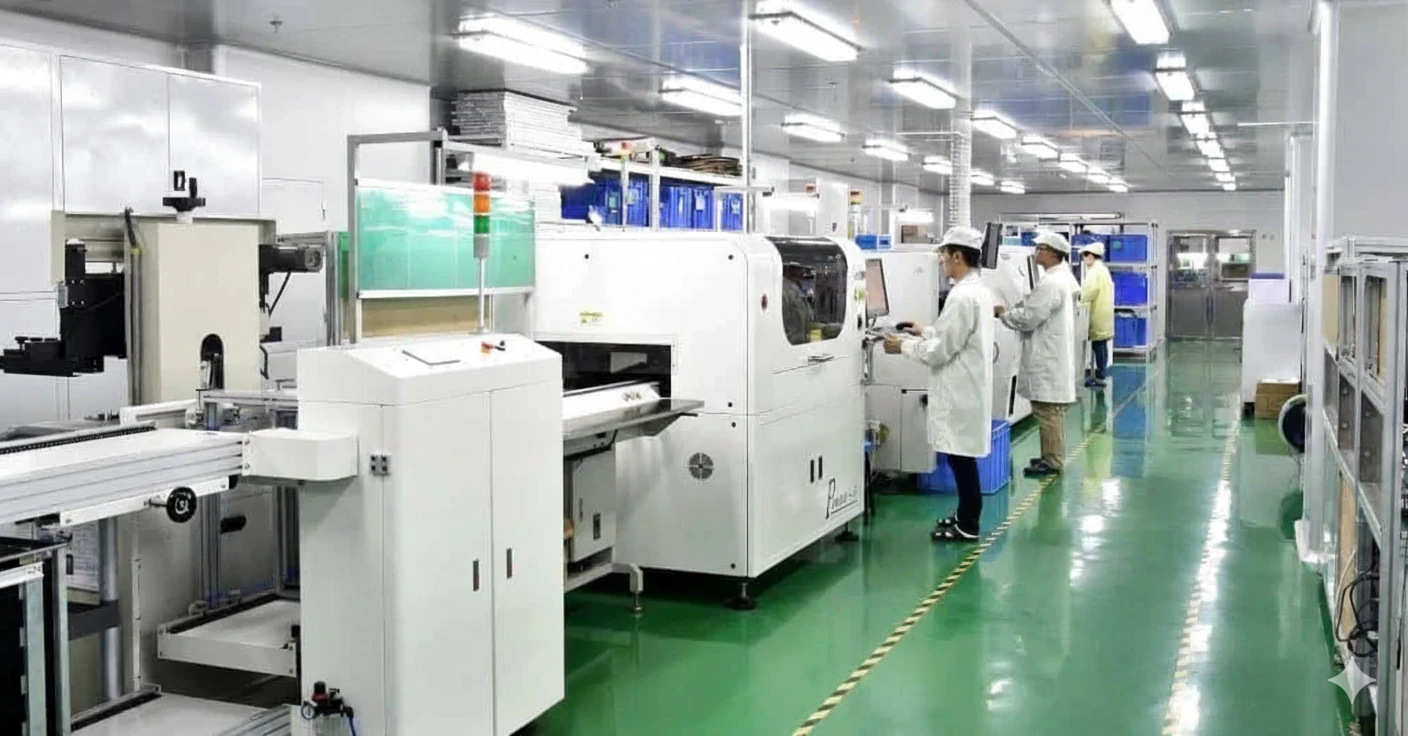
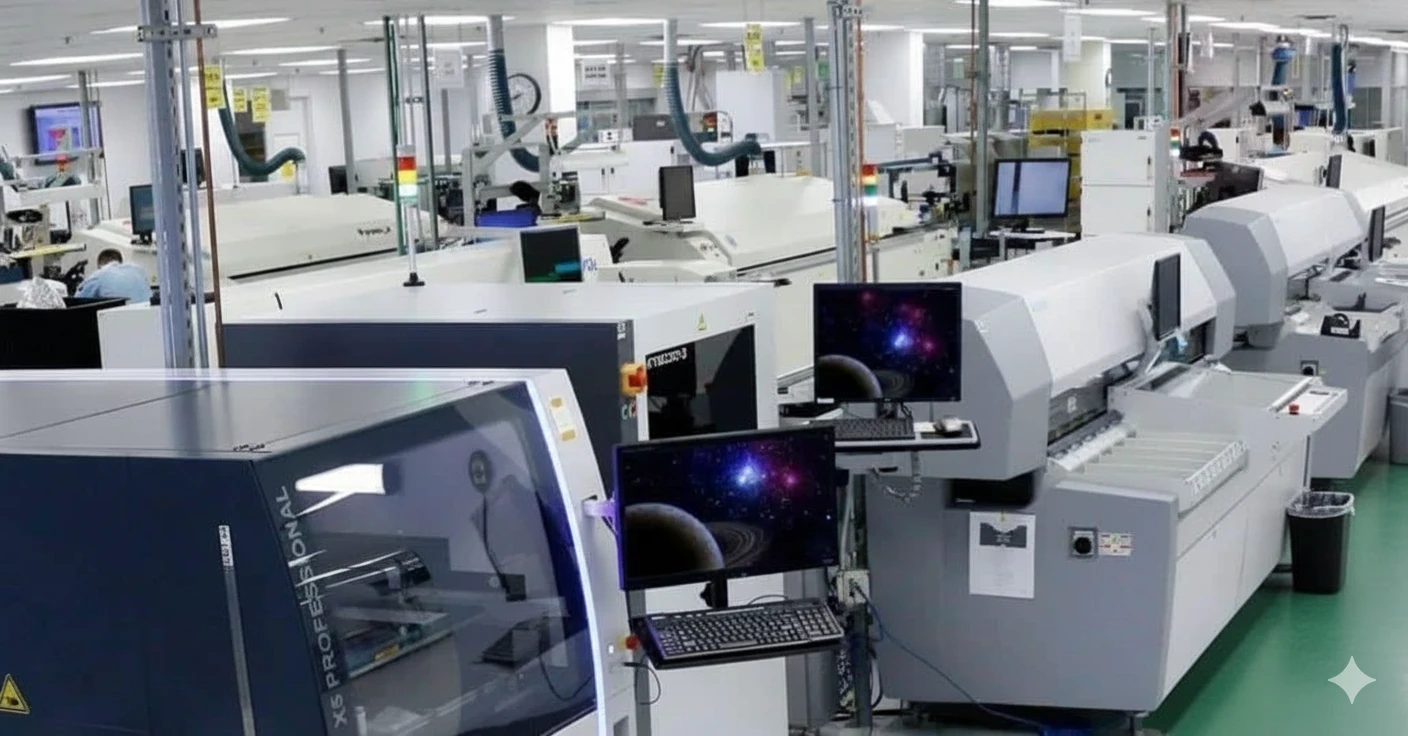
SMT line scheduled for NPI PCB assembly

SMT LINES

Rapid SMT with inline inspection

NPI scheduling plus inline SPI/AOI and risk-based X-ray support first-article release decisions.

NPI engineering release review

RELEASE REVIEW

Panel, stencil, polarity, assembly, test-access, and BOM/AVL risks are returned for disposition.

NPI test disposition lab

TEST LAB

Flying probe, ICT/FCT, firmware load, result logging, and retest status support test disposition.

QUALITY

Evidence required to release a first build

Inspection data is useful only when it is tied to the released revision, dispositioned findings, and the baseline selected for pilot transfer.

Package and first-article control

Stack-up, stencil, assembly, and access reviews are linked to FAI photos and dimensional checks for the released revision.

Inspection and nonconformance disposition

SPI/AOI, targeted X-ray, MSD controls, and rework records show what passed, what changed, and what requires approval.

Test and baseline control

Flying-probe or ICT/FCT plans, boundary-scan, firmware version, golden-unit status, and retest results are captured in travelers.

Which NPI stage is your build at?

EVT · Prove the design works

Build focus: released data, DFX findings, first articles, and functional test. Exit decision: the design meets agreed functional acceptance criteria and every issue has an owner.

DVT · Prove the design is robust

Build focus: design robustness, inspection and test coverage, and root causes for recurring rework. Exit decision: validation passes without undocumented manual workarounds.

PVT · Prove the process is repeatable

Build focus: production tooling, work instructions, line balance, and process evidence. Exit decision: agreed yield and test thresholds hold across the pilot lot without uncontrolled intervention.

Pilot transfer · Lock the production baseline

Build focus: approved BOM/AVL, golden unit, programs, recipes, travelers, ECO status, and open actions. Exit decision: the customer approves the controlled production baseline.

NPI RFQ and release checklist

  • Released Gerber or ODB++ files with fabrication, assembly, paste, and revision identifiers
  • Approved BOM and AVL with manufacturer part numbers, alternates, consigned parts, and lifecycle risks
  • Centroid data with reference designators, rotation convention, polarity, and do-not-place status
  • Assembly drawings, special process notes, workmanship class, coating, cleaning, and packaging requirements
  • Test intent with access map, firmware or programming files, acceptance criteria, and golden-unit plan
  • Target quantity, required build date, first-article approval owner, ECO rules, and pilot-handoff deliverables
NPI PCB assembly RFQ and engineering release package

NPI RELEASE-GATE MATRIX

Six gates from engineering release to pilot transfer

Each gate names the decision, evidence, and controlled output needed before the program advances.

Engineering release

Gates 1–2 · Release the build inputs

  • Data / package releaseGerber/ODB++, centroid, drawings, test intent
  • BOM / AVL risk releaseLifecycle, alternates, substitutions, MSD status

First build

Gates 3–4 · Release the physical evidence

  • First-article and inspection releaseFAI, SPI/AOI, risk-based X-ray, rework status
  • Test dispositionProgram version, results, failures, retest status

Pilot handoff

Gates 5–6 · Release the repeatable baseline

  • Golden-unit / ECO controlApproved unit, deviation status, revision history
  • Pilot transfer packageTraveler, recipes, FAI, test record, open actions

NPI control

Contain ECO cost before setup

  • Decision pointBefore line setup
  • Controlled recordApproved release package

NPI control

Match test investment to the learning goal

  • Decision pointBefore fixture commitment
  • Controlled recordTest coverage and disposition

NPI control

Transfer proven settings into pilot

  • Decision pointBefore pilot release
  • Controlled recordPilot transfer package

Frequently Asked Questions

Everything you need to know about HDI PCB technology

NPI PCB assembly with a controlled release path

Upload the release package to receive a DFX- and BOM-risk review tied to the first-build and pilot-handoff requirements.

  • Revision-specific DFX and BOM/AVL review
  • First-article, inspection, and test disposition
  • Golden-unit and pilot-transfer records
Full Quote →