Assembly Services

PCB Assembly Services From BOM Release to Tested Build

PCB assembly (PCBA) turns a bare circuit board into a working electronic assembly through controlled component sourcing or kitting, SMT and through-hole placement, soldering, inspection and test. APTPCB uses one released build plan to connect the BOM, assembly data, process route, acceptance criteria and traceability required for prototype, NPI or repeat production. As a China-based electronics manufacturing services (EMS) provider, APTPCB fabricates the bare board and assembles it in the same plant, so sourcing, assembly, test and box build stay under one contract for customers worldwide.

Turnkey PCBA

Best when you want one team to source components, assemble, inspect, test and manage delivery against one build plan.

Partial Turnkey

Best when you supply locked or strategic parts while APTPCB sources approved passives, connectors and standard inventory.

Consigned PCBA

Best when your team supplies all components and needs controlled kitting, assembly, inspection and reporting.
Talk to an Engineer
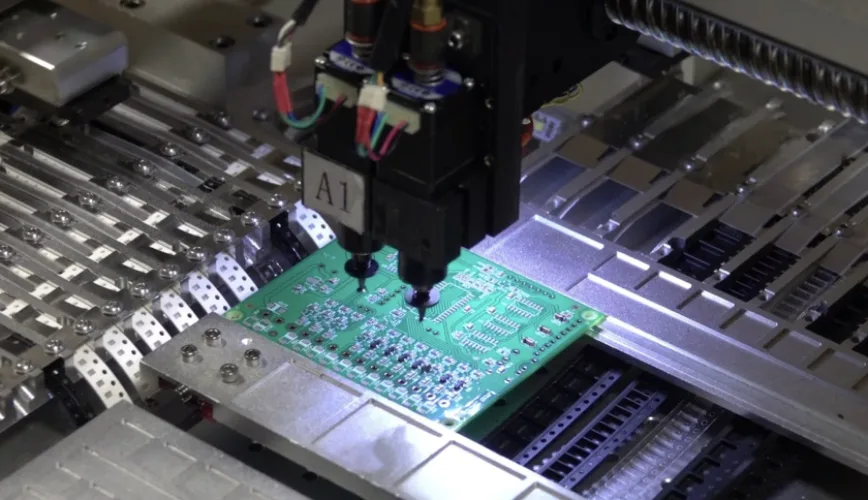
SMT PCB assembly line with inspection for turnkey PCBA manufacturing
Turnkey / Partial / ConsignedBuild Models
SMT + THTMixed Technology
BGA / QFN / CSPAdvanced Packages
SPI / AOI / X-RayInspection Coverage
ICT / FCT / Flying ProbeTest Options
NPI ReadyPrototype to Production
ISO 9001:2015 ScopeQuality System
IPC-A-610 · Class per RFQAssembly Standard
RoHS / REACH RequirementsCompliance Inputs
Lot / Reel / Date CodeTraceability
Controlled HandlingESD / MSD
Box BuildSystem Integration
Turnkey / Partial / ConsignedBuild Models
SMT + THTMixed Technology
BGA / QFN / CSPAdvanced Packages
SPI / AOI / X-RayInspection Coverage
ICT / FCT / Flying ProbeTest Options
NPI ReadyPrototype to Production
ISO 9001:2015 ScopeQuality System
IPC-A-610 · Class per RFQAssembly Standard
RoHS / REACH RequirementsCompliance Inputs
Lot / Reel / Date CodeTraceability
Controlled HandlingESD / MSD
Box BuildSystem Integration

Which PCBA Release Gates Make a PCB Assembly Build-Ready?

A PCBA quote is build-ready only when responsibility, data, process and acceptance criteria are released together. The 01005 and 0.3 mm values below are published capability envelopes, not automatic acceptance limits; final feasibility depends on land pattern, stencil strategy, panel support, package mix, inspection access and the approved build plan.

BOM + AVL
Approved Parts
Sourcing Release Gate
P&P + Drawing
One Revision
Assembly Data Gate
01005
Published Envelope
Small-Passive Feasibility Review
0.3 mm
Project-Dependent
BGA/CSP Pitch Review
SPI / AOI
Visible Process Evidence
Paste and Placement Gate
X-Ray
When Hidden Joints Require It
BGA / QFN Inspection Gate
ICT / FCT
Criteria and Fixture Required
Electrical Test Gate
Rev + Lot
Records Defined in RFQ
Repeat-Build Traceability Gate
Stencil → SPI
Paste Release
Placement → AOI
Visible-Joint Control
BGA/QFN → X-Ray
Hidden-Joint Review
ICT/FCT → Limits
Electrical Acceptance
Revision → Records
Change Control

What Does a Circuit Card Assembly (CCA) Build Cover?

Circuit card assembly (CCA) is the term many contract manufacturing programs use for the completed, tested board assembly, while printed circuit board assembly (PCBA) describes the same build from the bare-board side. Use this page to decide how much sourcing, assembly and test responsibility should sit with your EMS partner, then confirm package risk, soldering process, test coverage and documentation needs. Because APTPCB fabricates the board and assembles it in one plant, board and assembly responsibility do not have to be split across two suppliers.

Circuit Card Assembly (CCA) vs Standard PCBA

A circuit card assembly (CCA) is a completed, tested board assembly; standard PCBA work is the same build scoped without program-level documentation. Turnkey shifts sourcing and schedule risk to one team; consigned keeps procurement with you; partial turnkey protects strategic parts while reducing kitting work.

SMT + Through-Hole Workflow

Mixed assemblies need sequencing for reflow, selective/wave solder or hand soldering so connectors, transformers and large electrolytics do not create avoidable rework.

BGA, QFN, CSP and Fine-Pitch

Hidden joints and fine-pitch packages require stencil discipline, moisture control, AOI and X-ray planning instead of visual inspection alone.

Inspection and Test Strategy

AOI, X-ray, ICT, flying probe and FCT catch different defect classes; the right mix depends on access, fixture readiness and product risk.

Box Build and Final Integration

Firmware loading, harnesses, labeling, serialization, burn-in and enclosure assembly can be planned as a downstream PCBA release package.

Traceability and Build Records

Lot, reel, date-code, revision and test records help engineering teams close NPI loops and support regulated or long-life products.

How Are PCB Assembly (PCBA) Process Controls Set to Reduce Rework?

A useful PCBA plan identifies where each defect class is controlled before it becomes rework, and a contract manufacturer should be able to show that route before the first article is built. Use this overview to connect assembly steps with the inspection and test points that protect the build.

SMT Assembly and Reflow Control

Paste, placement and reflow are controlled before defects become expensive downstream failures.

Where Risk Starts

  • Stencil aperture and paste-volume mismatch
  • Pin-1 or polarity ambiguity in placement files
  • Moisture-sensitive BGA/QFN handling
  • Thermal imbalance on dense or heavy-copper boards

What We Check

  • SPI or paste checkpoints when required
  • Feeder, MPN and orientation verification
  • Reflow profile review for the package mix
  • AOI after reflow with controlled rework records

Through-Hole, Selective Solder and Mechanical Fit

THT is often where electrical design meets real hardware: connectors, power parts, harnesses and enclosure constraints.

Typical THT Scope

  • Connectors, transformers, relays and large electrolytics
  • Selective solder, wave or controlled hand-solder paths
  • Press-fit, hardware and mechanical accessories
  • Harness or cable interfaces for system builds

Acceptance Focus

  • Lead protrusion and solder fillet criteria
  • Thermal relief and high-current solder fill
  • Mechanical keepouts and mating-part clearance
  • IPC-A-610 Class 2/3 workmanship when specified

Advanced Packages and Test Coverage

BGA/QFN/CSP boards need inspection and electrical coverage planned before build, not added after failures appear.

Hidden-Joint Risks

  • BGA opens, bridges, voiding and head-in-pillow risk
  • QFN thermal pad voiding and wetting concerns
  • Fine-pitch solder bridging or insufficient solder
  • Insufficient test access for production debug

Coverage Options

  • X-ray inspection for hidden solder joints
  • ICT or flying probe where access supports it
  • FCT using your procedure, fixture and limits
  • Failure reporting tied to lot and revision data

Add-On Services

These services are frequently bundled into turnkey PCBA programs.

Conformal Coating
Underfill / Staking
Press-Fit / Insertion
Labeling & Serialization
Firmware Loading
Packaging & Shipping

What Happens After You Send Files for PCB Assembly?

A structured process from file intake to shipping keeps quality, timeline, and documentation predictable.

1

File Intake & RFQ Review

We review BOM integrity, assembly drawing notes, test requirements, target quantities, and lead time for completeness.

2

Engineering Feedback (DFM/DFA)

We flag polarity ambiguities, fine-pitch constraints, stencil aperture risks, and supply-chain issues before building.

3

Sourcing & Kitting

Component availability confirmation, substitution approvals, kitting status, and ETA alignment with your schedule.

4

Assembly Execution

SMT printing → placement → reflow; THT insertion → soldering → inspection, with controlled rework as required.

5

Inspection & Testing

AOI/X-ray/visual inspection per plan, plus ICT/FCT or custom verification per your acceptance criteria.

6

Packaging & Shipping

ESD-safe packaging, labeling/serialization if required, and shipping aligned to your destination and timeline.

Which PCB Assembly Inspection and Test Methods Do You Need?

Quality is defined by documented checkpoints aligned to your acceptance criteria, including IPC-A-610 Class 2 or Class 3 workmanship when specified. Final coverage depends on test access, fixture readiness and board risk.

Automated Optical
AOI
X-Ray Inspection
AXI
In-Circuit Test
ICT
Functional Test
FCT
Visual Inspection
Manual
Solder Paste
SPI
Flying Probe
FPT
First Article
FAI
Burn-In Test
BI
Rework & Repair
Controlled

What to Send for an Accurate PCBA Quote

A complete RFQ lets engineering check soldering risk, sourcing risk and test coverage before price and lead time are locked.

Minimum RFQ Package

  • BOM with manufacturer part numbers, alternates and do-not-substitute parts
  • Gerber or ODB++ plus drill files and stackup if available
  • Pick-and-place / centroid file with polarity and rotation notes
  • Assembly drawing with soldering, coating, labeling and packaging notes
  • Quantity breaks, target lead time and expected build model

Test, Compliance and Documentation

  • AVL / preferred suppliers and lifecycle restrictions
  • ICT/FCT procedure, fixture status and acceptance limits
  • RoHS/REACH or customer-specific material requirements
  • Serialization, traceability, DHR/FAI or inspection report needs
  • Firmware, programming, enclosure, cable or box-build instructions

Which DFM/DFA Checks Matter Most in PCB Assembly?

Good PCBA quoting is not only price collection. These checks prevent common failure modes before the first build starts.

Use unambiguous polarity and pin-1 marks across silkscreen, drawing and pick-and-place data

Mark critical MPNs, allowed alternates and lifecycle risks so substitutions never happen silently

Keep test points accessible for ICT, flying probe or production debug if electrical coverage is required

Define coating keepouts, labels, programming and serialization before box build or final packaging

Which Industries Use Custom PCB Assembly Services?

APTPCB PCBA services are frequently used by teams building products in these sectors.

PCBA FAQs

Answers to sourcing model, inspection, test and compliance questions that usually decide whether a PCBA quote is build-ready.

What is included in turnkey PCB assembly?
Turnkey PCBA includes component sourcing as agreed, kitting, SMT and THT assembly, inspection, test coordination and shipping under one build plan. APTPCB also supports partial turnkey when you supply strategic parts and consigned PCBA when you supply all components.
What is a circuit card assembly (CCA) and how does it differ from PCB assembly?
A circuit card assembly (CCA) is a printed circuit board with its components placed, soldered and tested, and it is the same finished article commonly called a printed circuit board assembly (PCBA). The difference is mainly terminology: CCA is the term used in contract manufacturing and program documentation, while PCBA is used in assembly quotations. Both describe the assembled board rather than the bare printed circuit board, and both can be built turnkey, partial turnkey or consigned.
How are BGA, QFN and fine-pitch packages released for assembly?
BGA, QFN, CSP and fine-pitch packages are reviewed against land pattern, stencil aperture, component moisture sensitivity, placement data, reflow profile and inspection access. X-ray is specified when hidden-joint acceptance requires it; final feasibility and criteria are confirmed in DFM/DFA rather than assumed from package name alone.
Which inspection and test methods are available?
Available options include SPI, AOI, X-ray, ICT, flying probe, FCT, visual inspection, FAI and controlled rework. The final coverage plan depends on test access, fixture readiness, board risk and your acceptance criteria.
What files are required for a fast PCBA quote?
Send the BOM with manufacturer part numbers, Gerber or ODB++, pick-and-place data, assembly drawing, quantities, target lead time and any test, coating, programming, labeling or compliance requirements.
Do you support prototype, NPI and production builds?
Yes. We support prototype, NPI and production PCBA with DFM/DFA feedback, revision control, sourcing review, inspection planning and documentation suitable for repeat builds.
How are RoHS and lead-free PCBA requirements controlled?
State RoHS, REACH, solder alloy, flux or cleanliness and customer-specific documentation requirements in the RFQ. The quotation and build plan must identify the selected process and evidence; compliance should not be inferred only from a generic lead-free option.

Ready to Quote a PCBA Build?

Send your BOM and assembly files. We will review sourcing model, SMT/THT process, inspection coverage, test needs and documentation before returning a build plan.