
PCB Desmear: Hole-Wall Preparation and Inspection
Understand PCB desmear after drilling, how it differs from etchback, and what hole-wall evidence to discuss with your fabricator.

Technical Insights
Expert insights on PCB manufacturing, assembly excellence, and cutting-edge electronic technologies
Understand PCB desmear after drilling, how it differs from etchback, and what hole-wall evidence to discuss with your fabricator.
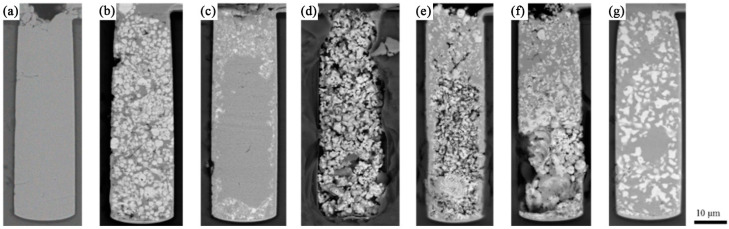
Compare stacked and staggered PCB microvias, understand their manufacturing trade-offs, and specify useful reliability evidence for your design.
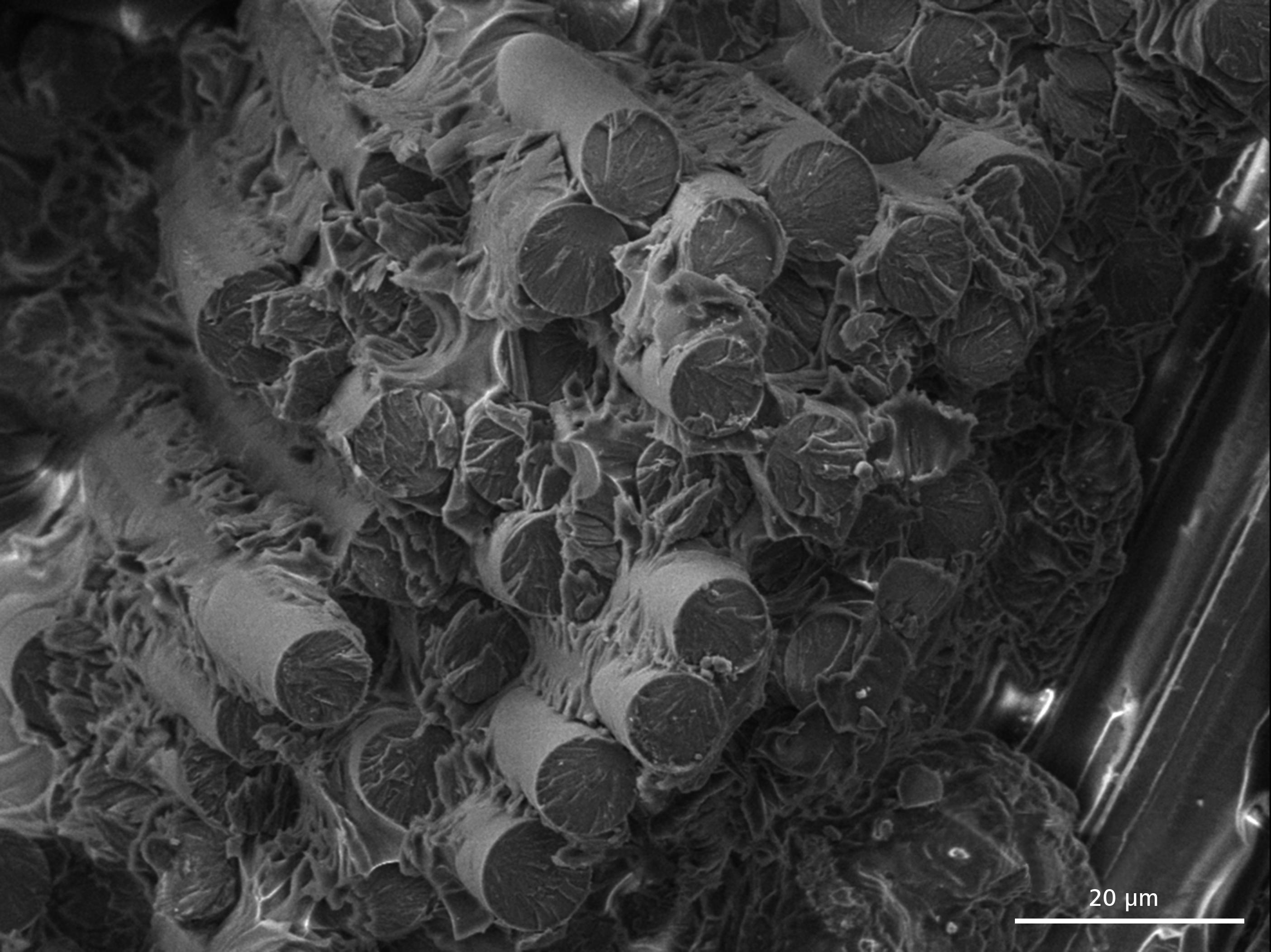
Assess internal CAF risk using conductor geometry, material and manufacturing history, and a representative test plan.
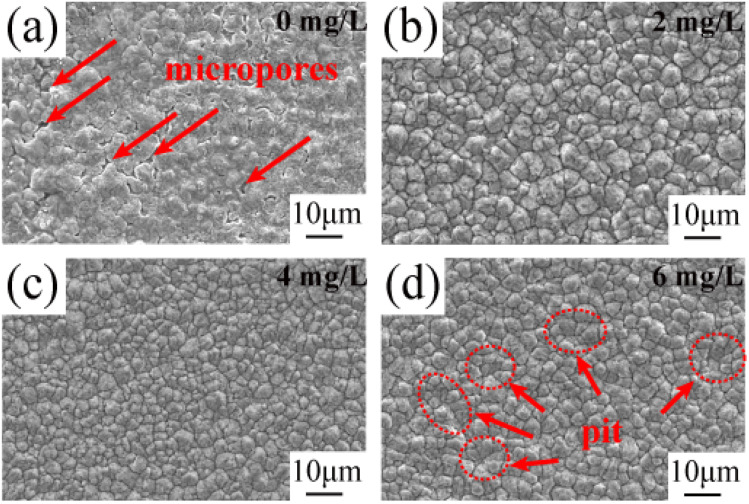
Compare copper roughness data, assess its effect on signal loss, and prepare a practical foil and stackup verification plan.
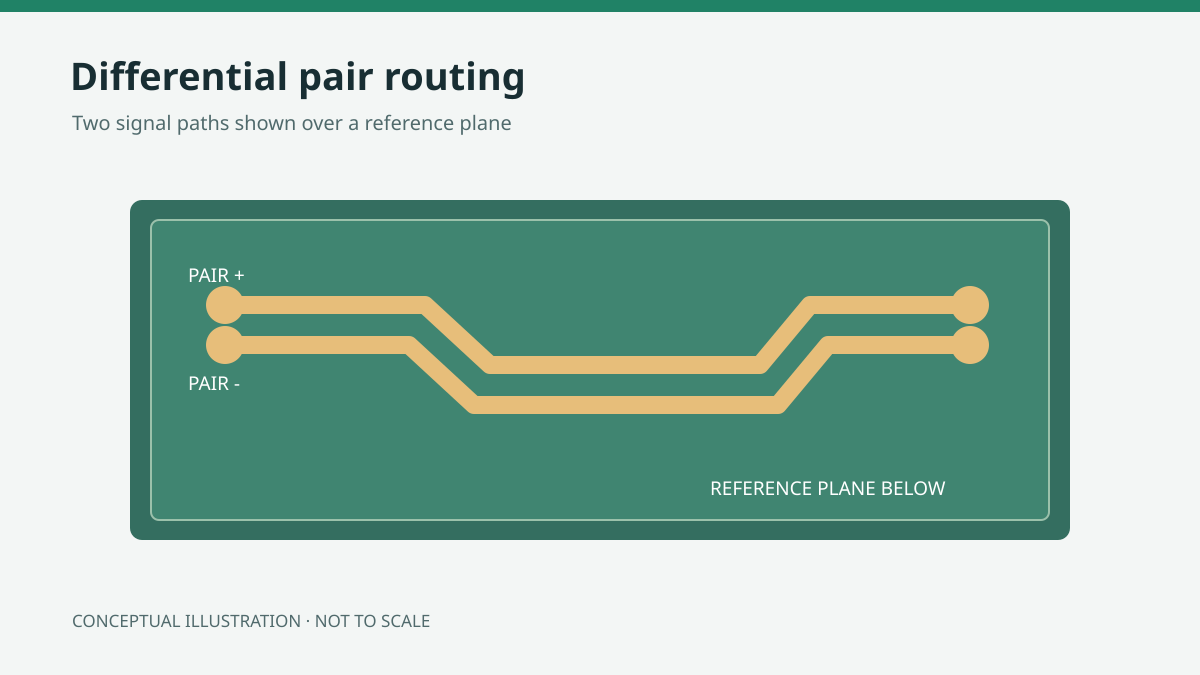
Route differential pairs with attention to impedance, return paths, timing budgets and layer transitions.
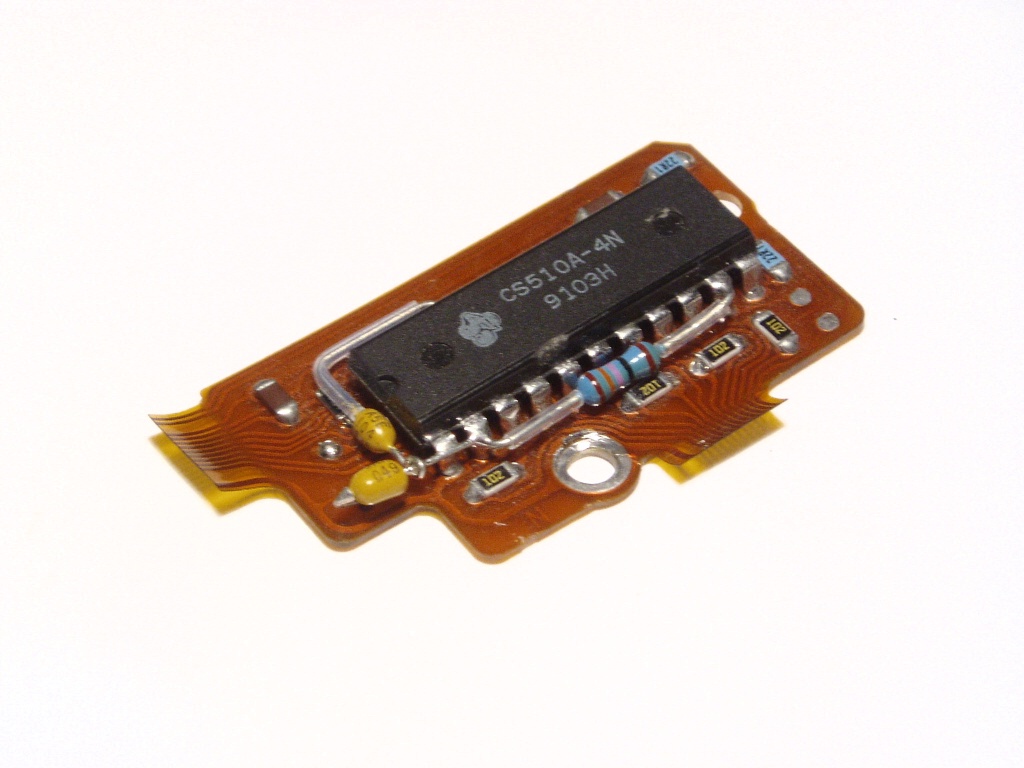
Choose flex PCB materials by considering polyimide film, copper, coverlay, adhesives and bend requirements together.
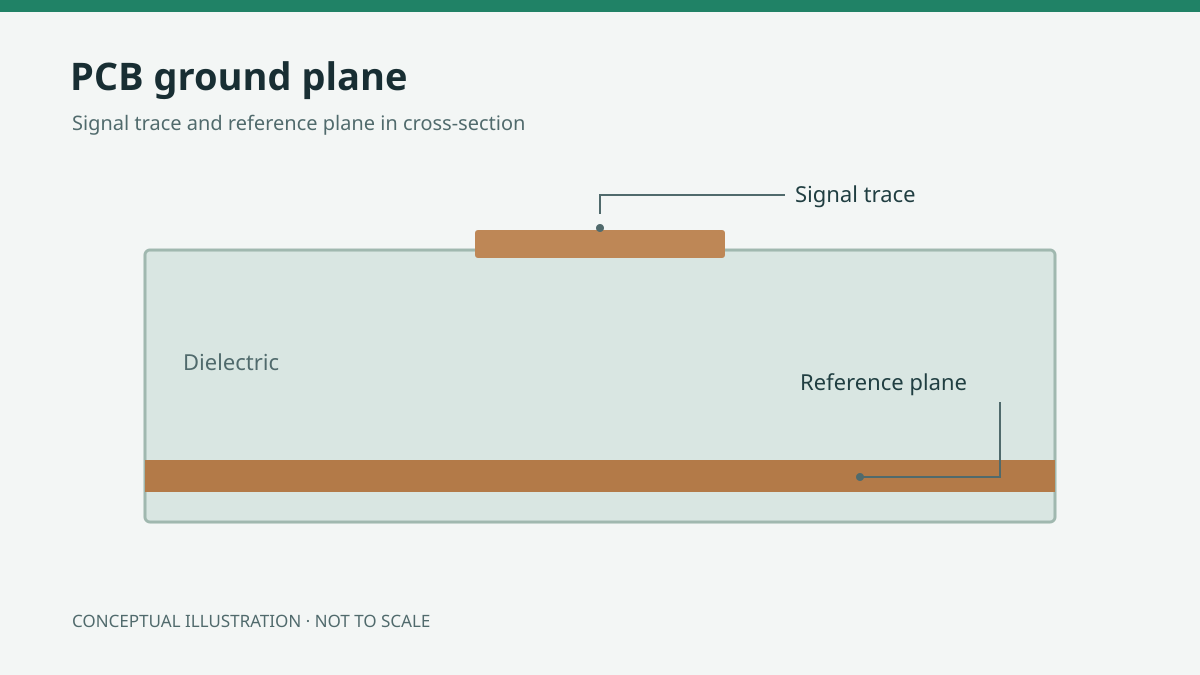
Plan PCB ground planes around signal return paths, reference transitions, layout constraints and manufacturing handoff.
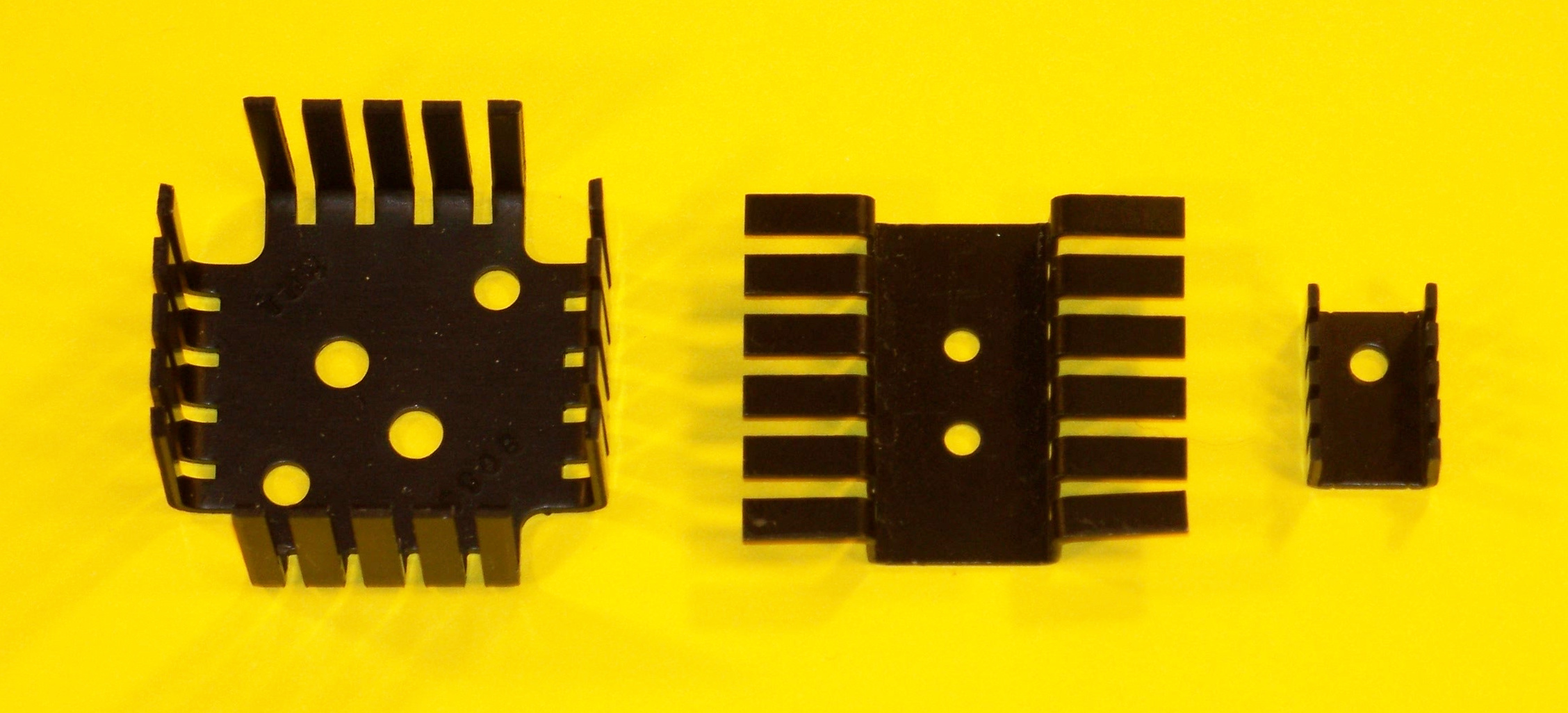
Evaluate PCB heat sinks by tracing the thermal path through the component, board, interface and installed environment.
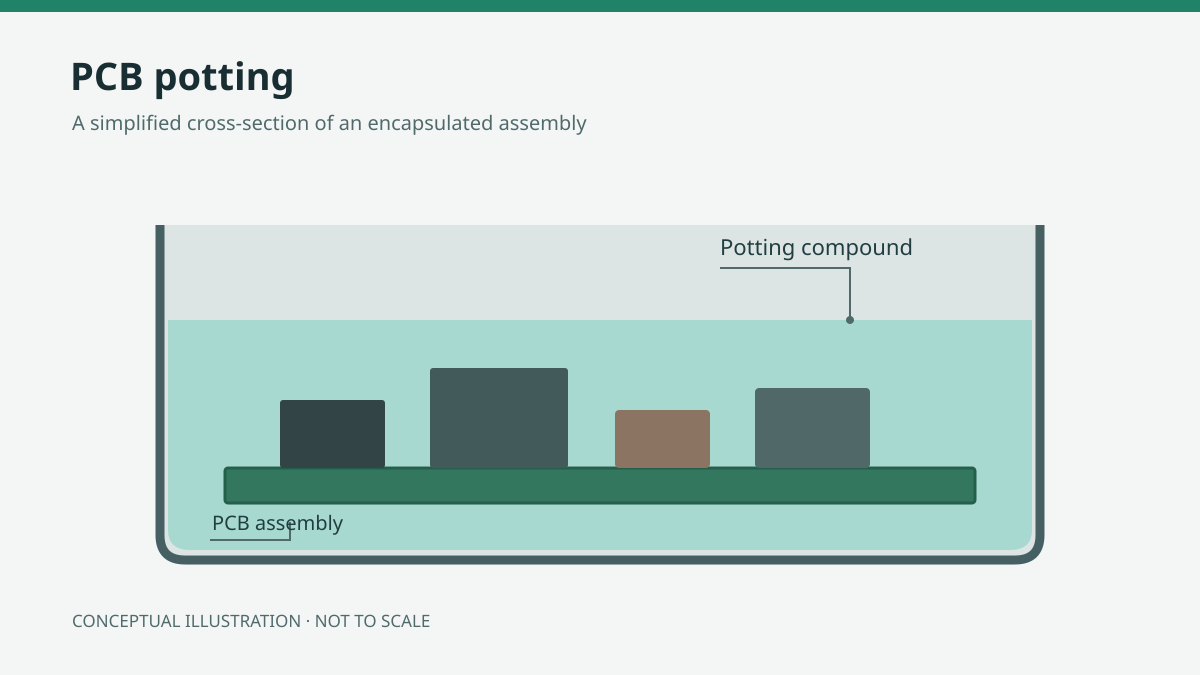
Compare PCB potting materials, process choices and validation requirements for an electronic assembly.
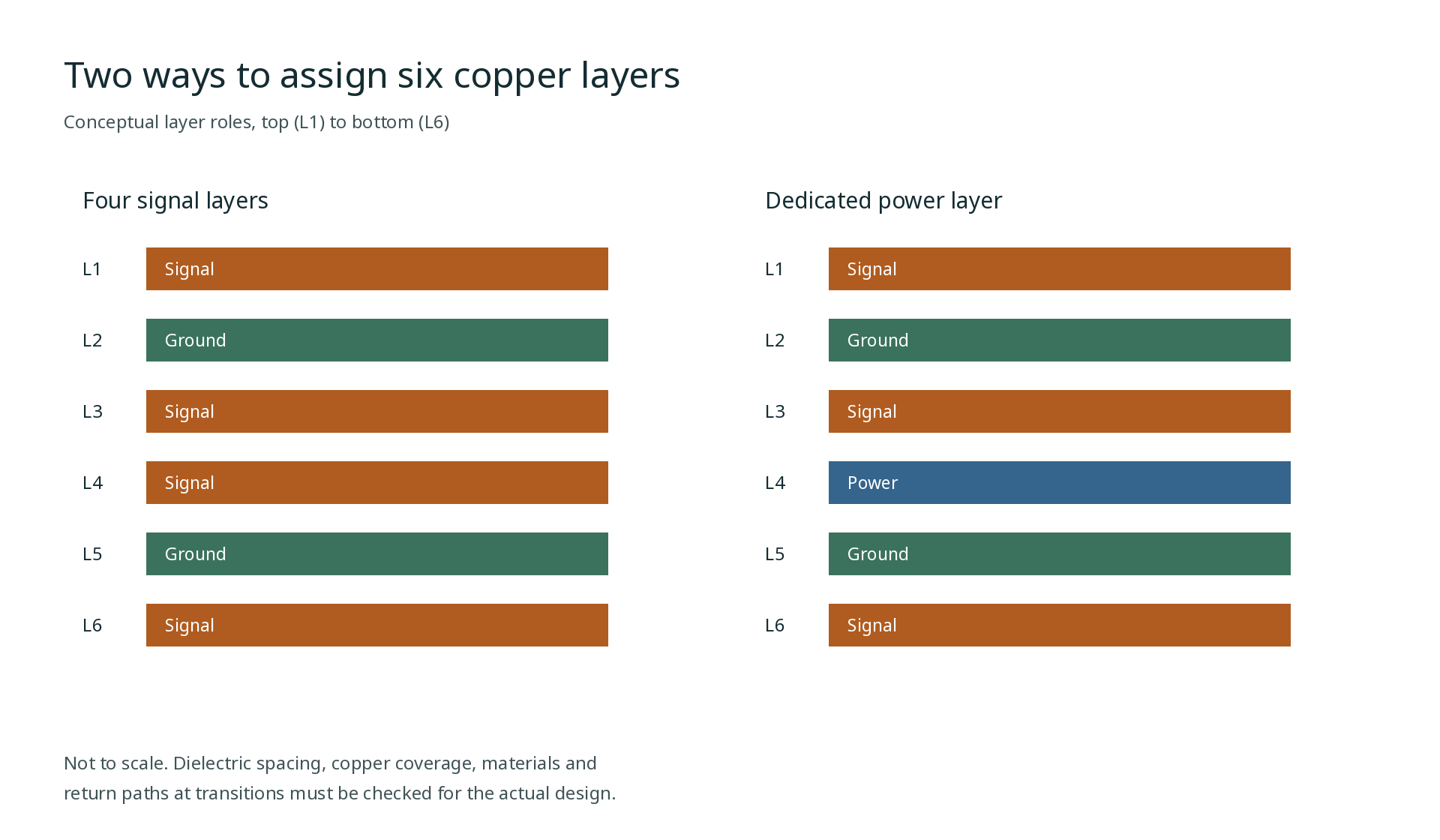
Compare six-layer PCB stackup arrangements, reference paths and fabrication handoff requirements.
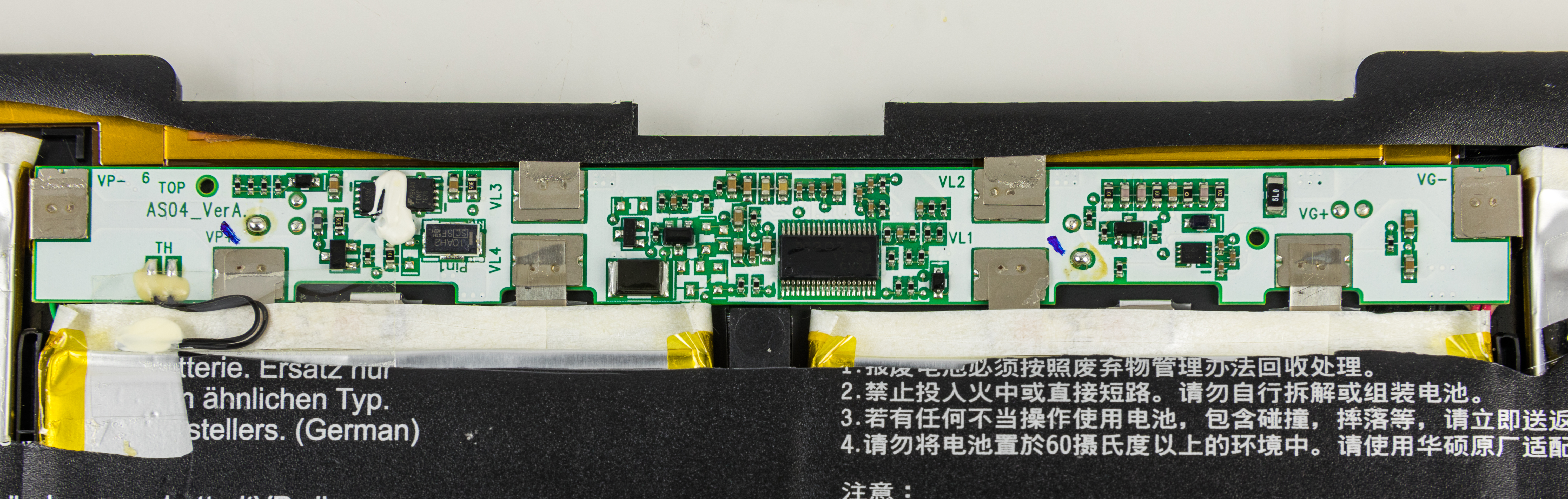
Specify battery protection functions, fault responses and validation evidence for the cells and application.
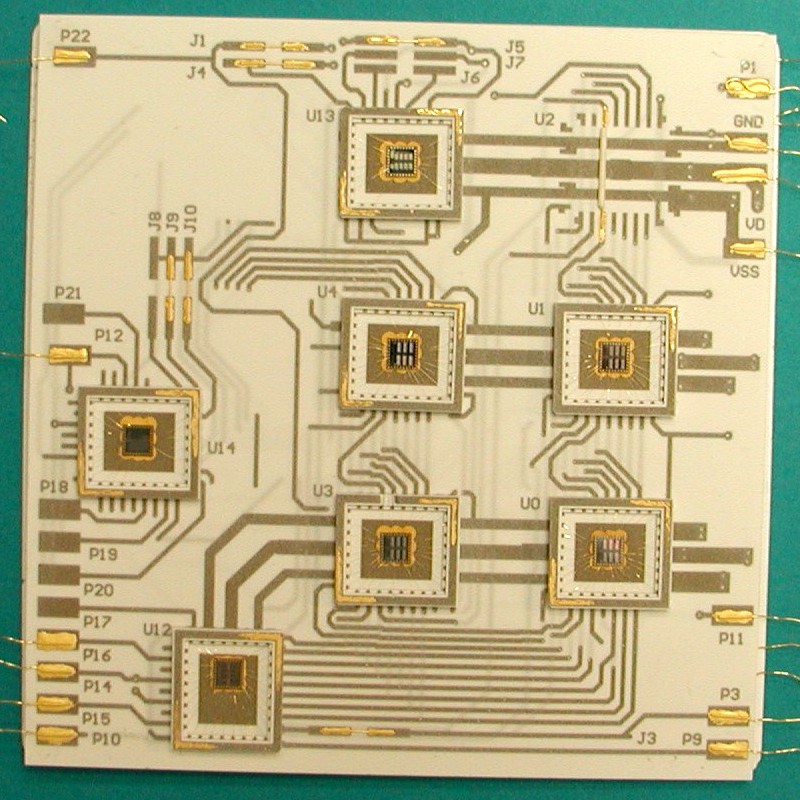
Compare alumina and aluminum nitride ceramic substrates using the thermal path, insulation, mechanical design and manufacturing requirements.