
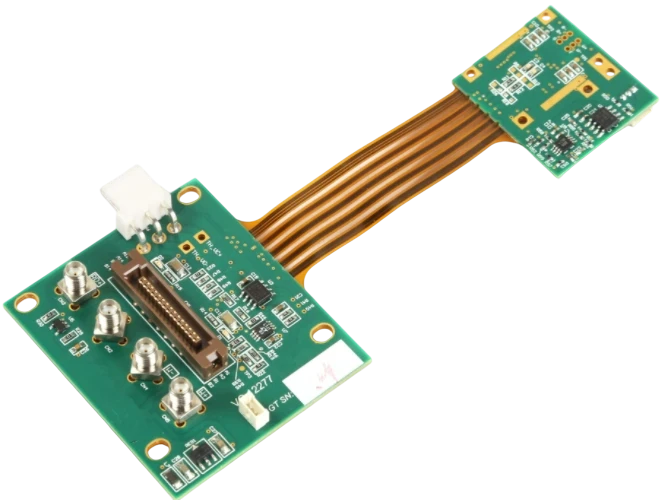
Ultra clean packaging for quantum systems is an engineering discipline where materials, interconnects, surfaces, and manufacturing processes become part of the quantum operating environment.
In conventional electronics, packaging mainly provides mechanical protection and electrical connection. In quantum hardware, the package can influence qubit coherence, microwave loss, magnetic noise, thermal stability, and measurement repeatability.
A material choice that works for standard RF electronics may introduce unacceptable magnetic contamination, dielectric loss, trapped residues, thermal stress, or cryogenic reliability issues. The correct packaging approach depends on the quantum architecture, operating temperature, frequency range, and required validation evidence.
This guide explains how engineers should evaluate quantum packaging materials, manufacturing processes, and suppliers before prototype or production release.
What does ultra clean packaging for quantum mean?
Ultra clean quantum packaging controls the physical and chemical environment surrounding quantum devices, including:
- PCB substrates and interposers.
- Microwave signal paths.
- Connectors and transitions.
- Mechanical structures and enclosures.
- Surface finishes and assembly materials.
For superconducting quantum systems, contamination and material interfaces can affect device behavior because unwanted impurities, adsorbates, and surface defects may contribute to noise mechanisms. Research on quantum packaging has demonstrated the importance of vacuum-compatible surfaces, controlled cleaning, and material treatment before cryogenic operation. The main engineering control areas are:
Magnetic contamination control
Ferromagnetic elements such as iron, nickel, and cobalt require careful evaluation because magnetic impurities may interfere with sensitive quantum systems.
Material review should include:
- Base metals.
- Plating layers.
- Barrier layers.
- Fasteners.
- Adhesives.
- Connector materials.
A complete finish specification is required. A gold surface alone does not define the entire plating structure because underlying layers may influence magnetic behavior.
Chemical cleanliness
Cryogenic and vacuum environments require controlled materials and cleaning processes.
Important considerations include:
- Flux residues.
- Organic contamination.
- Moisture absorption.
- Machining residues.
- Cleaning chemistry compatibility.
Cleaning is part of functional qualification, not only cosmetic preparation.
Cryogenic mechanical stability
Quantum packaging materials experience significant thermal contraction between room temperature and cryogenic operating conditions.
Packaging structures must maintain:
- Mechanical alignment.
- Electrical contact.
- Low-stress interfaces.
- Reliable solder, bond, or connector transitions.
Cryogenic packaging studies highlight thermal expansion mismatch and mechanical stress as major challenges when materials operate across extreme temperature ranges. ## Which packaging materials should be selected for quantum systems?
There is no universal quantum packaging material. The correct choice depends on the architecture and dominant failure mechanism.
| Application | Primary requirement | Common packaging approach | Main trade-off |
|---|---|---|---|
| Superconducting qubits | Low magnetic noise, low microwave loss, thermal conductivity | High-purity metals, low-loss substrates, carefully selected finishes | Thermal performance versus machining complexity |
| Trapped ion systems | RF stability and dimensional precision | Ceramic substrates such as alumina or aluminum nitride | Brittleness versus thermal performance |
| Silicon spin qubits | High-density interconnect routing | Advanced multilayer substrates and HDI structures | Density versus cryogenic heat management |
| Photonic quantum systems | Optical alignment stability | Low-expansion materials and precision packaging | Mechanical precision versus manufacturing complexity |
| Cryogenic control electronics | Heat removal and reliable connections | Heavy copper structures and specialized assemblies | Thermal capability versus electrical parasitics |
For ceramic-based quantum packaging requirements, APTPCB provides Ceramic PCB capabilities for specialized substrate applications.
For microwave signal paths, designers can evaluate High Frequency PCB materials based on dielectric properties, impedance control, and frequency requirements.
What parameters should be evaluated before selecting quantum packaging?
Quantum packaging decisions should be based on measurable parameters rather than general terms such as “clean” or “high reliability.”
| Parameter | Why it matters | Verification approach |
|---|---|---|
| Magnetic susceptibility | Magnetic impurities may affect quantum stability | Material certification and magnetic testing |
| Surface roughness | Conductor roughness can increase microwave losses | Surface measurement and material analysis |
| Dielectric loss tangent | Lossy materials reduce signal quality | Material characterization |
| Thermal expansion mismatch | Different contraction rates create mechanical stress | Thermal analysis and cycling tests |
| Outgassing behavior | Released gases affect vacuum environments | Vacuum-compatible material review |
| Plating composition | Hidden layers may introduce unsuitable materials | Finish specification and supplier verification |
| Impedance stability | Microwave paths require predictable electrical behavior | Controlled impedance testing |
The required limits depend on the quantum platform, operating frequency, temperature range, and system qualification method.
What are the main failure modes in quantum packaging?
| Failure mode | Root cause | Engineering impact | Prevention method |
|---|---|---|---|
| Magnetic contamination | Unsuitable metals or plating layers | Increased noise or instability | Material screening before fabrication |
| Interface cracking | Thermal expansion mismatch | Electrical failure after cooling cycles | Cryogenic cycling validation |
| Microwave loss increase | Rough conductors or unsuitable dielectrics | Reduced signal quality | RF material qualification |
| Vacuum contamination | Residues or outgassing materials | Cryostat performance degradation | Controlled cleaning and material approval |
| Connector failure | Poor cryogenic transition design | Intermittent signals | Mechanical and thermal qualification |
| Process variation | Insufficient traceability | Difficult failure analysis | Manufacturing documentation |
How should quantum packaging manufacturing be validated?
A reliable quantum packaging process requires controls from material purchasing through final assembly.
Material verification before fabrication
Supplier documentation should confirm:
- Substrate composition.
- Metal grades.
- Plating structure.
- Approved alternatives.
- Storage conditions.
Material substitutions should require engineering approval because small composition changes can affect quantum performance.
Design review for cryogenic operation
Before manufacturing, engineers should review:
- CTE compatibility.
- Signal routing.
- Grounding strategy.
- Thermal paths.
- Connector transitions.
- Mechanical mounting.
A package that performs correctly at room temperature may fail after repeated cryogenic thermal cycles.
Fabrication contamination control
Manufacturing processes should address:
- Tool contamination.
- Chemical residues.
- Handling procedures.
- Cleaning methods.
- Material traceability.
Ultra-clean packaging requires manufacturing discipline beyond normal PCB production controls.
Surface finish qualification
Surface finishes should be selected according to quantum requirements.
Review should include:
- Complete plating stack.
- Underlayer materials.
- Thickness requirements.
- Inspection method.
The final exposed surface is only one part of the electrical and chemical interface.
What should engineers request from a quantum packaging supplier?
Supplier evaluation should focus on evidence rather than capability claims.
| Supplier question | Why it matters |
|---|---|
| Can materials and finishes be reviewed before production? | Prevents unexpected substitutions |
| How is magnetic contamination controlled? | Protects sensitive quantum environments |
| What cleaning processes are available? | Supports cryogenic and vacuum compatibility |
| Can thermal cycling tests be performed? | Validates mechanical reliability |
| What inspection records are provided? | Enables traceability |
| Can assembly handling requirements be documented? | Maintains cleanliness through integration |
For quality verification workflows, APTPCB provides PCBA Testing & Quality services supporting inspection and assembly validation.
How should an RFQ for ultra clean quantum packaging be prepared?
A complete RFQ package reduces manufacturing ambiguity.
Include:
Design documentation
- Gerber files.
- Mechanical drawings.
- Stack-up information.
- Interface dimensions.
Material requirements
- Approved substrates.
- Thermal requirements.
- Magnetic restrictions.
- Vacuum compatibility requirements.
Surface finish requirements
- Plating chemistry.
- Thickness.
- Inspection expectations.
Validation requirements
- Impedance testing.
- Material verification.
- Contamination inspection.
- Cryogenic thermal cycling test requirements.
Handling requirements
- Cleaning procedure.
- Packaging method.
- Storage conditions.
- Traceability expectations.
For early signal-integrity planning, engineers can use the Impedance Calculator during design evaluation.
FAQ: Ultra clean packaging for quantum
Can standard FR-4 be used for quantum systems?
Standard FR-4 may be acceptable for supporting electronics, but quantum signal paths usually require materials selected for lower loss, controlled properties, and cryogenic compatibility.
Why is cryogenic thermal cycling testing necessary?
Room-temperature inspection cannot reveal all failures caused by contraction, stress concentration, or interface degradation during cooling cycles.
Does every quantum system require the same cleanliness level?
No. Requirements depend on the quantum architecture, operating temperature, sensitivity, and packaging location.
What information should be included when requesting a quotation?
Engineers should provide design files, operating conditions, material requirements, finish specifications, and validation expectations.
Conclusion: Building a manufacturable quantum packaging strategy
Ultra clean packaging for quantum systems requires coordinated decisions across materials, mechanical design, manufacturing processes, and validation.
The strongest packaging programs define contamination limits, cryogenic requirements, electrical targets, and supplier evidence requirements before fabrication begins.
A successful quantum packaging specification connects laboratory requirements with repeatable manufacturing execution. By defining material controls, validation methods, and documentation expectations early, engineering teams can reduce redesign cycles and create a clearer path from quantum prototype development to reliable hardware production.
Request a Quote for engineering review and quantum packaging fabrication support.