
PCB protection / material & process selection
Match the coatingto the exposure.
Compare material families, application routes and process controls for the board’s environment. Bring surface preparation, thickness and cure into the same review.
01 / Service exposure
Define what the board must withstand.
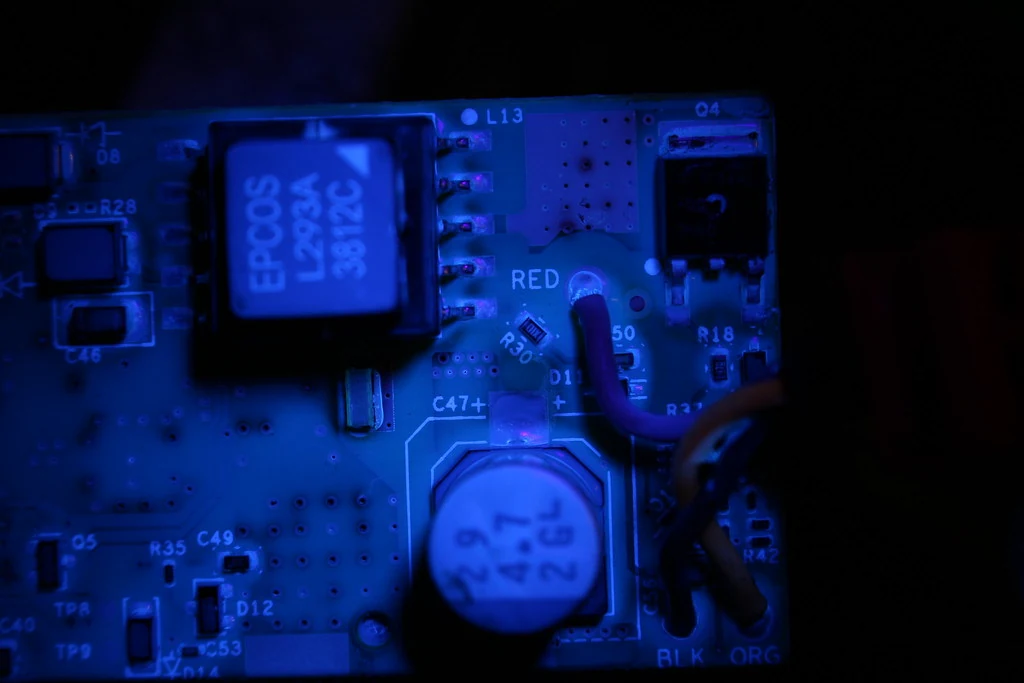
Start with the environmental exposure.
Moisture Resistance
Corrosion Protection
Temperature Resistance
Chemical and Abrasion Resistance
Enhanced Reliability
02 / Chemistry & repair
Choose the material family with its removal constraints.
Scope note Use the exact material product and its datasheet to define the application window.
Four material families to review.
Acrylic Resin (AR)
Good moisture and abrasion resistance.
Easily removable with solvents, but less effective against solvents like jet fuel.
Silicone Resin (SR)
Ideal for environments with high vibrations or extreme temperature variations.
Requires specialized solvents for removal.
Urethane Resin (UR)
Offers excellent abrasion and solvent resistance.
Often used in aerospace and military applications for superior durability.
Parylene Coating
Ideal for applications requiring a thin, uniform, and pinhole-free layer of protection.
03 / Geometry & application
Choose a route that can reach the required surfaces.
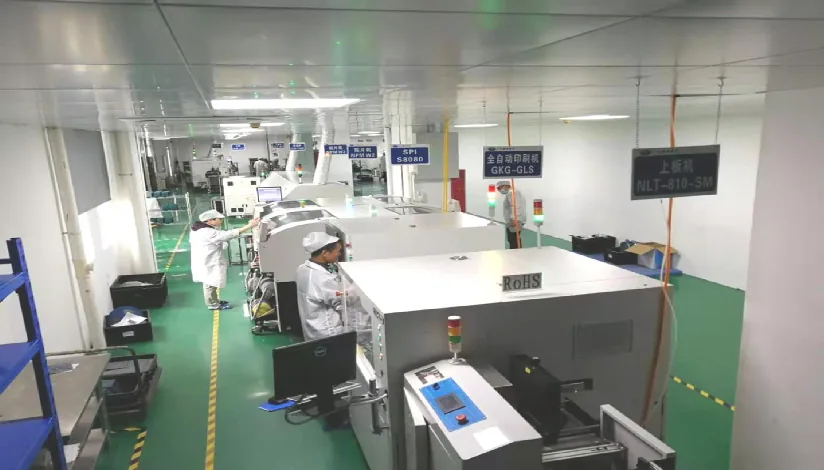
Choose the application method for the job.
| Application route | Production and masking considerations |
|---|---|
| Manual Spraying | Suitable for low-volume production and prototyping. Requires careful masking and skilled operators to achieve a consistent coating. |
| Automated Spraying | Ideal for medium to high-volume production. Utilizes automated conveyor systems for uniform and consistent coating application. |
| Selective Coating | Robotic systems apply coating only to specific areas of the PCB, eliminating the need for masking. Best suited for high-volume production where precise coating is required without over-coating surrounding components. |
Scroll the table to review all columns.
Prepare the surface and the application path.
Pre-Cleaning the PCB
Component Spacing
Avoid Over-Coating
Account for Robotic Coating Limitations
04 / Film & cure
Specify thickness and cure as separate controls.
Scope note Handling dryness and full cure are different states. Define the release condition for the selected product.
Define thickness and cure as separate controls.
Coating Thickness
| Control | Source requirements |
|---|---|
| Thickness control | The standard thickness for conformal coating ranges from 1 to 5 mils (25 to 127 microns). This thickness ensures adequate protection without compromising the functionality of the components. |
| Measurement | Thickness is carefully measured using tools such as wet film gauges, micrometers, or ultrasonic thickness gauges. |
Scroll the table to review all columns.
Drying and Curing Times
| Cure mechanism | Handling and cure considerations |
|---|---|
| Evaporative Cure | Handling time within an hour, full cure in several days. |
| Moisture Cure | Full cure in several days. |
| Heat Cure | Accelerates polymerization; cure time depends on temperature. |
| UV Cure | Cures rapidly in exposed areas, but shadowed areas may take longer. |
Scroll the table to review all columns.
05 / Defect prevention
Trace the visible defect back to the process condition.
Find the defect. Review the cause.
| Observed defect | Cause and prevention |
|---|---|
| Dewetting | Caused by surface contamination (oil, wax, or silicone residues). Prevent this by thoroughly cleaning the PCB before coating. |
| Cracking/Crazing | Occurs due to excessive coating thickness or improper curing temperatures. Follow manufacturer guidelines for curing and thickness control. |
| Orange Peel | Results from uneven atomization or rapid evaporation. Ensure consistent environmental conditions during application. |
| Air Bubbles | Can occur from improper mixing or application techniques. Ensure proper equipment maintenance and correct mixing procedures. |
| Fisheyes | Caused by contamination like oil or water. Thoroughly clean and inspect PCBs before coating. |
Scroll the table to review all columns.
ENGINEERING REFERENCE
Additional coating service and supplier-review notes
Connect coating to the assembly scope.
Expertise in PCB Assembly and Conformal Coating
High-Volume Production Capability
Comprehensive Protection
Precision and Quality Control
Bring the environmental and assembly requirements together.
PCB Conformal Coating Services – Protect Your Circuit Boards | APTPCB
Contact Us
Let us help you find the best solution for your specific needs, ensuring high-quality results every time.
PRACTICAL QUESTIONS
Before you release the work.
How do I choose a coating material?
What thickness do you apply and how is it verified?
Which application methods are available?
How long does curing take?
How do you prevent common coating defects?
ENGINEERING & PRODUCTION REVIEW
Define the board’s protection needs.
Share the environment and board configuration for material and application review.
- Environmental exposure and operating temperature
- Assembly geometry, connectors and keep-outs
- Material preference and repair requirements
- Quantity, film requirements and acceptance criteria